
Daily Current Affairs UPSC 12 September 2024
Welcome to our daily current affairs blog post for UPSC aspirants! In today's edition, we will be discussing the most significant events and news updates that took place on 12th September 2024. Staying updated with current affairs is crucial for UPSC preparation, as it not only helps you stay informed but also enhances your understanding of various subjects. So, let's dive into the important happenings of the day and explore their potential impact on the upcoming UPSC examinations.

Inner Line Permit (ILP)
- The state government of Nagaland has approved the implementation of ILP in Chumoukedima, Niuland, and Dimapur districts.
- ILP is an official travel document issued by the government that allows Indian citizens to travel into protected areas for a limited period.
- The ILP system aims to regulate movement near India's international borders and protect tribal cultures in north-eastern India.
- The genesis of ILP can be traced back to the Bengal Eastern Frontier Regulations of 1873.
- There are different types of ILPs, including ones for tourists and others for long-term stays, often for employment purposes.
- States under ILP include Arunachal Pradesh, Mizoram, Nagaland, and Manipur.

Trade Connect e-Platform
- Launched by the Ministry of Commerce and Industry
- Aims to help achieve $1 trillion merchandise and $1 trillion services export target by 2030
- Trade Connect e-Platform is a single window initiative to assist Indian exporters, particularly MSMEs, by providing real-time access to trade-related information
- Developed in collaboration with Ministry of MSME, EXIM Bank, Department of Financial Service, and Ministry of External Affairs
- Simplifies complexities of international trade by providing product and country guides, trade agreements, and tariff explorer to unlock benefits of Free Trade Agreements
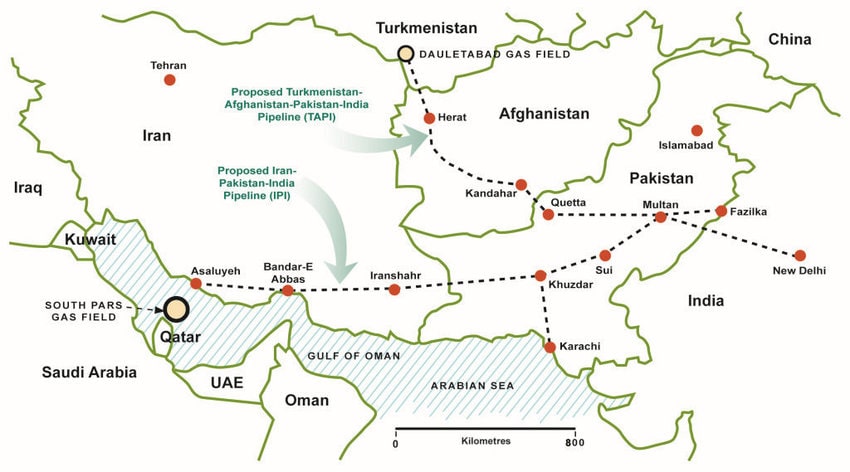
Turkmenistan-Afghanistan-Pakistan-India (TAPI) Gas Pipeline Project
- Turkmenistan and Afghanistan have resumed work on the TAPI Gas-Pipeline Project.
- The TAPI Gas Pipeline Project, also known as the Peace Pipeline, aims to export up to 33 billion cubic meters of natural gas annually through a 1,814-kilometer pipeline from Turkmenistan to Afghanistan, Pakistan, and India.
- The gas for the project is extracted from the Galkynysh gas field in southeast Turkmenistan.
- The project is being financed by the Asian Development Bank, which is also serving as the transaction adviser for development.
- The TAPI Gas Pipeline Project is expected to have a positive impact by reducing greenhouse gas emissions through the substitution of heavy fossil and solid fuels with cleaner natural gas.
Saarthi app
- The Open Network for Digital Commerce (ONDC) and Bhashini have partnered to create the Saarthi reference app for inclusive e-commerce.
- Bhashini, part of the National Language Technology Mission, offers translation services in 22 scheduled Indian languages.
- The Saarthi app helps businesses create buyer apps with multilingual capabilities, starting with support for Hindi, English, Marathi, Bangla, and Tamil.
- The app features real-time translation, transliteration, and voice recognition, with plans to expand to all 22 languages in the future.
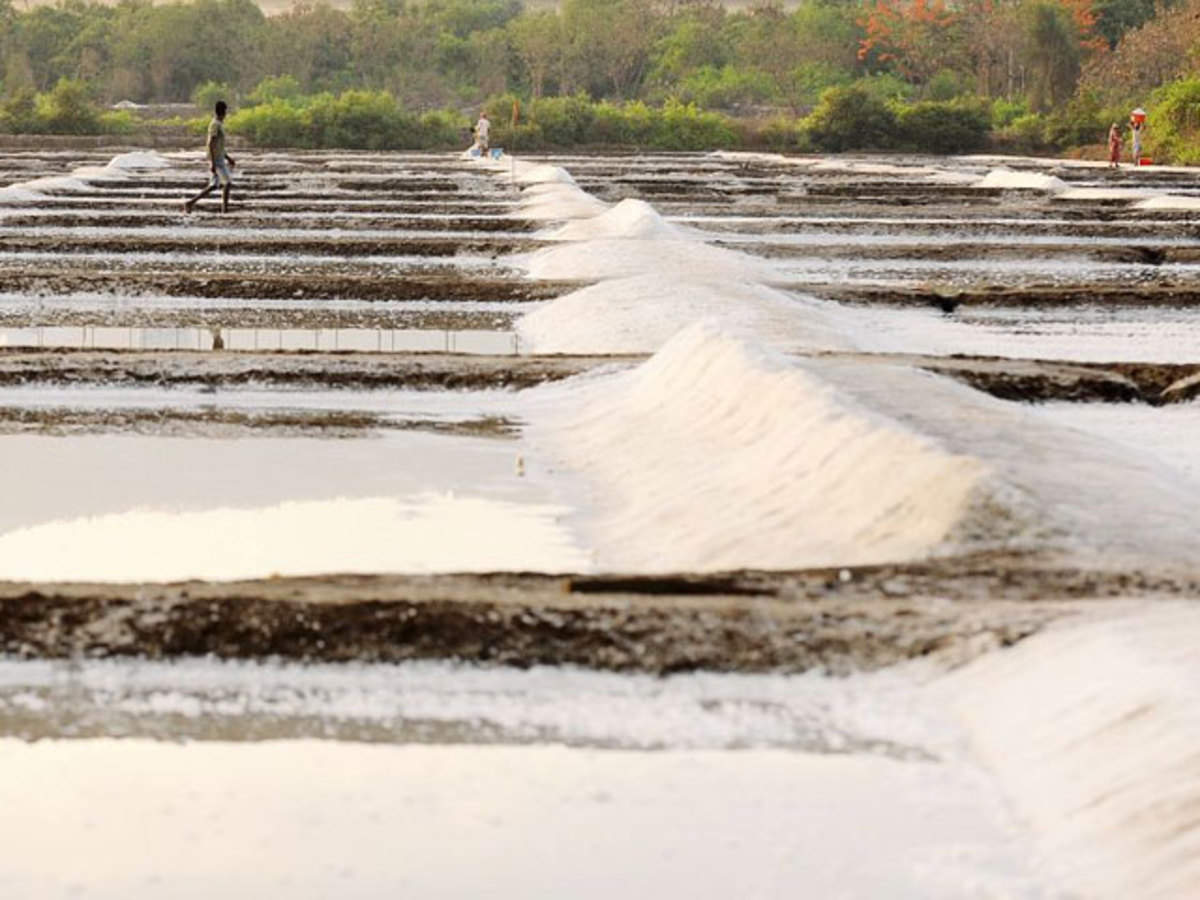
Salt Pan Lands
- The Centre has approved the transfer of 256 acres of salt pan land in Mumbai to Dharavi Redevelopment Project Pvt Ltd.
- Salt pan lands are low-lying areas where seawater flows in at certain times, leaving behind salt and other minerals.
- These lands play a crucial role in protecting the city from flooding.
- Salt pan lands can be found in Maharashtra, Andhra Pradesh, Tamil Nadu, Odisha, Gujarat, and Karnataka.
- According to the Wetland (Conservation and Management) Rules 2017, salt pan land is no longer considered part of the wetland definition.
- Salt pan lands are protected under Coastal Regulation Zone rules.
Myristica Swamp Forest
- Researchers have found a sacred grove known as a Myristica swamp forest in Kumbral, Maharashtra, which is protected by the local community.
- The Myristica swamp forest is mainly made up of the endangered species Myristica magnifica, which is native to Karnataka and Kerala.
- Sacred groves are natural areas that are preserved due to their spiritual and ecological importance, often protected by local taboos and sanctions.
- Myristica swamp forests are tree-covered wetlands located within evergreen forests in the Western Ghats, Andaman and Nicobar Islands, and Meghalaya.
- The forests in the Western Ghats are considered to be one of the oldest ecosystems.
- These forests provide important ecosystem services such as groundwater recharge, carbon sequestration, and acting as a natural barrier against floods.
Bhadra Tiger Reserve (BTR)
- Mikania micrantha weed is spreading quickly in Bhadra Tiger Reserve and posing a threat to its biodiversity.
- Bhadra Tiger Reserve is located in the Western Ghats of Karnataka, spanning Chikmagalur and Shimoga districts.
- The reserve is part of a corridor that includes Kudremukh National Park and Shettihalli Wildlife Sanctuary, all drained by the River Bhadra.
- In 1998, Bhadra Wildlife Sanctuary became part of the Project Tiger Network.
- The forest types in the reserve include Tropical Moist Mixed Deciduous, Tropical Dry Deciduous, and Semi-Evergreen Forest.
- Fauna in the reserve includes tigers, leopards, and ungulates like Gaur, Sambar, and Barking Deer.
- Mikania micrantha is a perennial climber originally from tropical America and is considered a major invasive species in various parts of Southeast Asia and the Pacific islands.
National Florence Nightingale Awards
- The President of India awarded the National Florence Nightingale Awards for 2024.
- The National Florence Nightingale Award recognizes the outstanding contributions of nurses and nursing professionals to society.
- Established by the Ministry of Health and Family Welfare in 1973, the award includes a Certificate of Merit, Cash Award of Rs.1,00,000/-, and a medal.
- Florence Nightingale, a British nurse, statistician, and social reformer, is considered the pioneer of modern nursing.
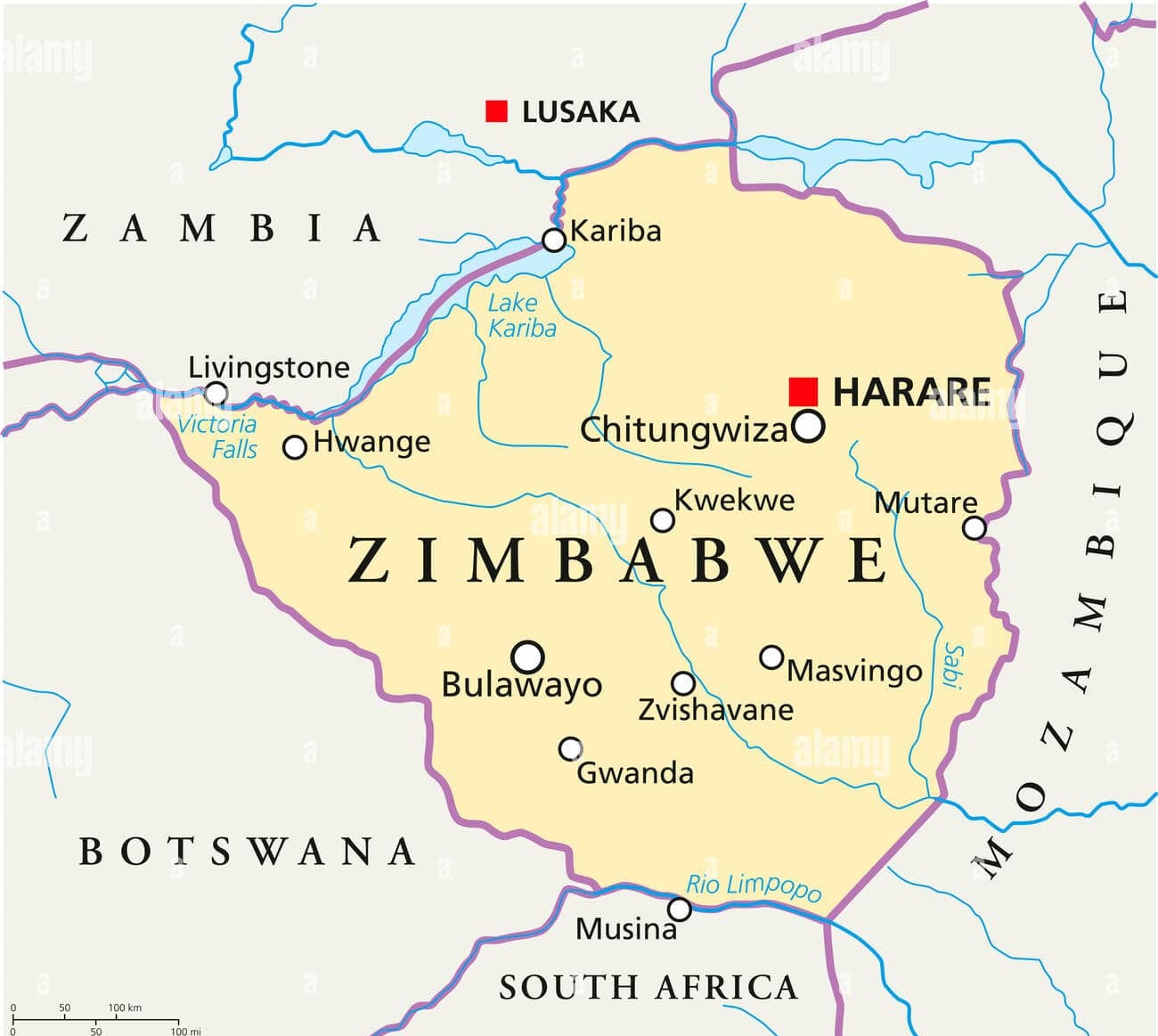
Zimbabwe (Capital: Harare)
- India has provided humanitarian assistance to Zimbabwe, Malawi, and Zambia to help with food shortages caused by severe droughts related to the El Nino phenomenon.
- Political Features of Zimbabwe:
- Landlocked country in Southern Africa.
- Borders with South Africa, Botswana, Zambia, and Mozambique.
- Geographical Features of Zimbabwe:
- Rivers like Zambezi and Limpopo.
- Landmarks such as Victoria Falls and Lake Kariba.
- Veld grasslands and natural resources like coal and chromium ore.
- Highest peak is Mount Inyangani at 8504 feet.
"New Initiatives Launched by Ministry of Fisheries at PMMSY Anniversary"
- National Fisheries Development Program Portal created to serve as central hub for fisheries stakeholders
- Establishment of specialized fisheries production and processing clusters for Pearl cultivation, Ornamental fisheries, and Seaweed cultivation
- Pilot project on Use of Drone Technology for fish transportation by Central Inland Fisheries Research Institute
- Mandapam Regional Centre of Central Marine Fisheries Research Institute established as Centre of Excellence for seaweed farming and research
- Setting up Nucleus Breeding Centres for marine and inland species to enhance seed quality
- Establishment of Incubation Centres in Hyderabad, Mumbai, and Kochi to promote fisheries startups
- Priority projects include Development of Integrated Aqua parks in Assam, Chhattisgarh, Madhya Pradesh, Tripura, and Nagaland; Establishment of World-Class Fish Markets in Arunachal Pradesh and Assam.
About PMMSY
- Purpose: Established in 2020 to promote sustainable and responsible growth in India's fisheries sector
- Duration: Operational from fiscal year 2020-21 to fiscal year 2024-25
- Goals: Enhance fish production to 22 million metric tons, decrease post-harvest losses from 20-25% to approximately 10%, and increase export earnings to around Rs. 1 lakh crore
- Structure: Combination of Central Sector Scheme and Centrally Sponsored scheme for implementation and funding.
Objectives of PMMSY
- Exploiting the potential of fisheries
- Upgrading the value chain, post-catch processes, and quality enhancement
- Increasing fish production and efficiency
- Establishing a strong fisheries management and regulatory system
- Doubling the income of fishermen and fish farmers, as well as creating job opportunities
"WHO's New Guidance on Antibiotic Pollution"
It discusses the release of antibiotics from manufacturing facilities, which is seen as a major factor contributing to the increasing problem of Antimicrobial Resistance (AMR).
AMR caused by pharmaceutical manufacturing
- Antibiotic manufacturing wastewater, which contains antibiotic residue, contaminates rivers and land.
- There are currently no regulations in place for antibiotic pollution from manufacturing, and quality assurance criteria do not consider environmental emissions.
About AMR
- AMR happens when microorganisms stop reacting to antimicrobial drugs, according to the World Health Organization.
- It is a natural occurrence caused by genetic mutations in pathogens.
- Human actions, such as the incorrect use and excessive use of antimicrobials, speed up the development and spread of AMR.
- The rise of drug-resistant bacteria has negative impacts on healthcare globally, particularly for patients with multiple illnesses.
- Concerns Related to AMR
- WHO considers AMR as one of the top 10 global health threats, affecting both human and animal health.
- In 2019, drug-resistant infections caused 1.27 million deaths worldwide.
- AMR can harm biodiversity and lead to the spread of zoonotic diseases through pollution.
- Agriculture and animal husbandry are at risk due to AMR, impacting food and nutrition security.
- Productivity losses, higher healthcare expenses, and increased poverty are consequences of AMR, affecting economic development and social equity.
- Initiatives to Tackle AMR
- One Health Approach aims to balance and optimize the health of people, animals, and ecosystems.
- WHO Good Manufacturing Practices now include environmental aspects linked to waste management.
- National action plans, such as NAP-AMR, have been implemented to address AMR.
- Bans on inappropriate fixed dose combinations and the use of Colistin as a growth promoter in poultry have been put in place.
- Development of antimicrobial vaccines, such as AV0328 by Bharat Biotech in collaboration with a US firm, are being pursued.
"India's Green Hydrogen Vision"
Looking back on the launch of the National Green Hydrogen Mission in 2023, the Prime Minister highlighted India's objectives to become a leading global center for the production, use, and export of Green Hydrogen (GH2).
How India can become a global hub for GH2?
Production:
- India requires $100 billion in investment to reach a GH2 production target of 5 MMT.
- Private sector capital and expertise can be mobilized through PPPs to fund GH2 projects.
- Collaboration with global leaders can provide technical expertise and knowledge transfer.
- Continued investment in research and development is needed to improve the efficiency of electrolyser and fuel cell technologies.
Utilization:
- GH2 can replace fossil fuel feedstocks in various industries like petroleum refining and steel manufacturing.
- Hydrogen fuel can decarbonize long-haul automobiles and marine vessels.
Export:
- Global demand for GH2 and Green Ammonia is expected to exceed 100 MMT by 2030.
- India has the potential to export about 10 MMT of GH2/Green Ammonia annually.
Challenges in GH2 Production:
- Costly technology hinders large-scale deployment.
- Technical and logistical challenges in transporting Hydrogen over long distances.
- Lack of a regulatory framework for GH2 can hinder growth and investment.
About Green Hydrogen
- Green hydrogen is produced through electrolysis, where water molecules are split into hydrogen and oxygen using electricity from renewable sources like solar and wind power.
- Green hydrogen can also be produced from biomass by gasifying it to create hydrogen.
- Green hydrogen has various applications including fuel cell electric vehicles, aviation, maritime, industry (fertilizer refinery, steel production), transportation (road, rail, shipping), and power generation.
"PMGSY-IV Implementation Approved by Cabinet"
The Ministry of Rural Development (MoRD) has initiated a program for the fiscal years 2024-25 to 2028-29 with a budget of Rs. 70,125 crore.
Key highlights PMGSY-IV
- 62,500 kilometers of all-weather roads will be provided to 25,000 habitations that are currently unconnected.
- The population criteria for unconnected habitations are as follows: more than 500 in plains, more than 250 in Northeastern and Hill States/Union Territories, special category areas like Tribal Schedule V, Aspirational Districts/Blocks, and Desert areas, and more than 100 in districts affected by Left Wing Extremism (LWE).
- Bridges will be constructed and existing ones will be upgraded along the new connectivity roads.
Significance of PMGSY-IV
- PMGSY-IV will include global standards and top methods in road construction such as Cold Mix Technology and utilizing materials like Waste Plastic, Fly Ash, and Steel Slag.
- Building all-weather roads through PMGSY-IV will improve access to education, healthcare, markets, and local development hubs, leading to socio-economic growth in rural areas.
- The PM Gati Shakti Portal will facilitate systematic planning for road alignment, enhancing connectivity and development in remote regions.
About PMGSY
- Started in 2000, PMGSY-I aimed to connect unconnected habitations with all-weather roads.
- PMGSY-II, launched in 2013, had a goal of upgrading 50,000 km of roads in different states and union territories.
- PMGSY-III, initiated in 2019, focuses on consolidating 1,25,000 km of roads connecting habitations to rural agricultural areas.
Challenges with PMGSY
- Delays in project implementation due to logistical issues and fund releases.
- Non-compliance with quality control lab requirements.
- Challenges with tendering, contractors, and post-construction maintenance.
"Union Cabinet Approves PM E-DRIVE Scheme"
- A scheme under the Ministry of Heavy Industries has been approved with a budget of Rs 10,900 crore for 2 years to promote electric mobility in India.
- This scheme is intended to replace the existing Faster Adoption and Manufacturing of Hybrid and Electric Vehicles (FAME) program.
- The Cabinet has also approved the PM-eBus Sewa-Payment Security Mechanism (PSM) scheme for the procurement and operation of e-buses.
Components of PM E-DRIVE Scheme
- Subsidies and demand incentives for e-2Ws, e-3Ws, e-ambulances, e-trucks, and other emerging EVs
- Installation of Electric Vehicle Public Charging Stations (EVPCS) in selected cities and highways
- Procurement of e-buses by public transport agencies through Convergence Energy Services Limited (CESL)
- Modernization of test agencies to promote green mobility
Significance of the scheme
- Promotion of e-trucks deployment in the country
- Support for mass mobility through public transportation
- Reduction of environmental impact and improvement of air quality
- Encouragement of domestic manufacturing and supply chain through phased manufacturing programme (PMP)
Challenges in promoting EV
- Majority of India's electricity is generated from coal
- Underdeveloped charging infrastructure
- Suboptimal battery technology
Other Initiatives in EV Sector
- National Electric Mobility Mission Plan (NEMMP) to encourage EV adoption in India
- Production-Linked Incentive (PLI) scheme for Auto and Auto Component
- PLI scheme for manufacturing advanced chemistry cell (ACC) batteries
"Union Cabinet Approves 'Mission Mausam' with Rs.2,000 Crore Outlay"
India's capabilities in the field of weather and climate science, research, and services.
About ‘Mission Mausam’
- Focus Areas: Providing accurate weather and climate data, such as monsoon forecasts and air quality alerts, as well as managing extreme events like fog, hail, and rain. This will also involve building capacity and awareness in these areas.
- Key Components:
- Deploying advanced radars and satellite systems with improved sensors.
- Utilizing high-performance supercomputers and enhancing Earth system models.
- Developing a GIS-based automated Decision Support System for the real-time dissemination of data.
- Implementing Agency: The India Meteorological Department, the Indian Institute of Tropical Meteorology, and the National Centre for Medium-Range Weather Forecasting, which are all institutes under the Ministry of Earth Sciences, will be responsible for implementing these initiatives.
Significance of ‘Mission Mausam’
- Various industries, including agriculture, disaster management, defense, and aviation, among others, can benefit from this technology.
- It enables stakeholders to better address the impacts of extreme weather and climate change.
- Sets a new standard for accurately predicting weather conditions.
- Enhances data-driven decision-making in urban planning, road and rail transport, and other areas.
Other Initiatives to Improve Weather Forecasting
- Monsoon Mission (2012) focuses on enhancing dynamic modelling systems for improved monsoon forecasts.
- Weather information network and data system (WINDS) generates long-term, hyper-local weather data.
- Launch of Earth observation satellites like INSAT-3D, INSAT-3DR, and INSAT-3DS.
- Operationalisation of Pratyush and Mihir for weather forecasting in 2018.