
Daily Current Affairs UPSC 01 and 02 September 2024
Welcome to our daily current affairs blog post for UPSC aspirants! In today's edition, we will be discussing the most significant events and news updates that took place on 01st and 02nd September 2024. Staying updated with current affairs is crucial for UPSC preparation, as it not only helps you stay informed but also enhances your understanding of various subjects. So, let's dive into the important happenings of the day and explore their potential impact on the upcoming UPSC examinations.

Challenges in regulating AYUSH Drugs
- The Supreme Court criticized the Union Ministry of AYUSH for a notification that advised state licensing authorities not to enforce Rule 170 of the Drugs and Cosmetics Rules, 1945.
- Rule 170 is responsible for overseeing the manufacture, storage, and sale of medicines in India, particularly in regards to controlling inappropriate advertisements of Ayurvedic, Siddha, and Unani medicines.
- The Ministry's notification and the Supreme Court's response shed light on the difficulties in regulating AYUSH drugs.
- AYUSH drugs can often be approved based on information from authoritative texts of the specific stream, with safety trials only required for formulations containing certain ingredients like snake venom and heavy metals such as arsenic and mercury.
Grey Wolf
- A recent wolf attack in Bahraich has put 35 villages on high alert, leading to the launch of 'Operation Bhediya' by forest officials.
- India has two species of wolves: the Indian Wolf in peninsular India and the Himalayan or Tibetan wolf in the Upper trans-Himalayan ranges.
- Wolves are social animals that live in packs, run at high speeds, are monogamous, communicate through vocalizations and scent-marking, and follow a male dominance hierarchy.
- The Grey Wolf is listed as Least Concern by the IUCN, while the Himalayan Wolf is considered Vulnerable. Both are protected under the Wildlife Protection Act of 1974.
Special China Problem
- India's External Affairs Minister recently highlighted India's unique challenges with China in comparison to the global issues with China.
- He emphasized the need for a careful examination of investments coming from China.
- India's specific issues with China include border disputes, economic concerns such as a high trade deficit, security and strategic challenges like Chinese tactics in the Indian Ocean Region, and China's increasing influence in neighboring countries.
- The Minister pointed out Chinese tactics like 'Salami Slicing' and the Belt and Road Initiative as areas of concern for India.
LGBTQIA+
- The government has put in place temporary measures to support the LGBTQI+ community.
- LGBTQIA+ couples and partners in Queer relationships are now recognized as part of the same household for ration cards.
- The Ministry of Health and Family Welfare is calling on all stakeholders to protect LGBTQI+ rights in healthcare, such as banning conversion therapy.
- Guidelines have been established by MoHFW for medical intervention in infants/children with disorders of sexual differentiation to ensure a medically normal life without complications.
DNA Repair
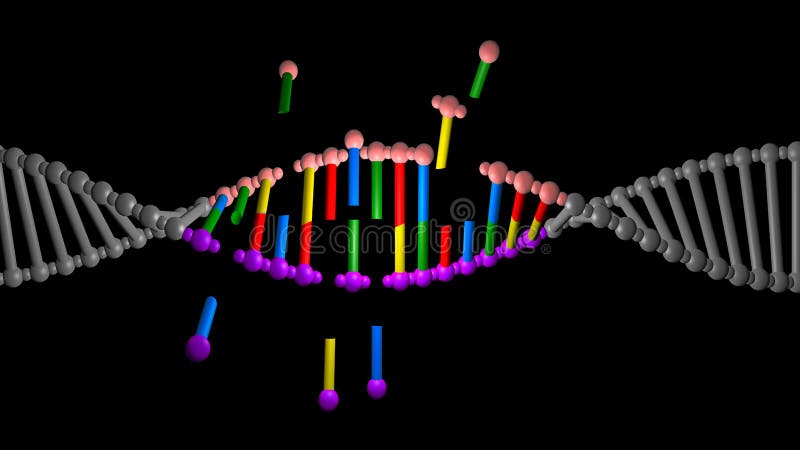
- A new target for cancer treatment has been identified by scientists, involving the enzyme TDP1 used by cancer cells to regulate DNA repair during cell division.
- Cancer cells utilize TDP1 to repair DNA damage caused by chemotherapy drugs like camptothecin, leading to resistance to treatment.
- DNA repair is a crucial mechanism for cells to maintain the integrity of their genetic code, existing in both prokaryotic and eukaryotic organisms.
- DNA repair mechanisms include direct reversal of damage, excision repair, and post-replication repair, ensuring the survival of a species.
India Post Payment Bank
- India Post Payment Bank (IPPB) recently celebrated its 7th Foundation Day.
- IPPB was established under the Department of Posts, Ministry of Communication, with full ownership by the Government of India.
- The goal of IPPB is to provide banking services to every household in India and help them achieve financial security by utilizing the extensive postal network of over 1,61,000 Post Offices.
- Services offered by IPPB include savings and current accounts, Direct Benefits Transfers, bill and utility payments, as well as access to third-party products like loans and insurance.
Windfall Tax
- The Centre has decreased the windfall tax on domestically produced crude oil.
- Windfall tax is a tax imposed on industries with high profits due to favorable economic conditions.
- The tax aims to redistribute excess profits for the greater social good.
- Governments believe these profits are not solely due to the efforts of the taxed entity but also external factors.
Polygraph Test
- CBI recently administered polygraph tests in relation to the rape of a resident doctor at R.G. Kar Medical College in Kolkata.
- Polygraph tests, along with Narco-analysis and brain-mapping, are used for deception detection.
- These tests work on the belief that certain physiological reactions occur when a person is lying.
- Physiological responses such as blood pressure, sweat, breathing, and pulse rate are measured during polygraph tests to assess honesty or deceit.
- The effectiveness of these tests in the medical community is still a topic of debate.
Mission Poshan 2.0
- The Ministry of Women and Child Development has launched the 7th Rashtriya Poshan Maah in 2024.
- The focus of the initiative is to comprehensively address malnutrition, which is a crucial aspect of Mission Poshan 2.0.
- Mission Poshan 2.0 includes key schemes such as POSHAN Abhiyaan, Anganwadi Services, and Scheme for Adolescent Girls to tackle malnutrition in children, pregnant women, and lactating mothers.
- Key achievements of the initiative include a reduction in malnutrition, as indicated by improvements in key child nutrition indicators (wasting, underweight, stunting) compared to previous surveys.
"New Telecom Rules for Digital Bharat Nidhi"
The Department of Telecommunication (DoT) has issued regulations in accordance with the Telecommunications Act, 2023 to implement the Digital Bharat Nidhi (DBN).
About Digital Bharat Nidhi
- DBN was created under the Telecommunications Act, 2023 to provide funding for telecom projects in remote and rural areas at reasonable rates.
- It took the place of the Universal Service Obligation Fund (USOF) that was established under the Indian Telegraph Act, 1885.
- USOF was a fund generated by a Universal Access Levy from license fees charged to Department of Telecommunications (DoT) licensees at 5% of their Adjusted Gross Revenue.
Key Highlights of the Notified Rules
- Criteria for Initiating Projects and Schemes: To provide telecommunications services in areas that lack coverage, including rural, remote, and urban areas; to implement advanced telecommunications technologies; to support new businesses; to advocate for environmentally friendly and sustainable technologies.
- Sharing of Telecom Networks under DBN: The DBN implementer must share and provide access to the network and services in an open and fair manner without discrimination
- Allocation of Funds Process under DBN:
- Bidding process to support telecom services in underserved areas
- Selection through applications to fund research and development of new telecom technologies or products with co-funding and Viability Gap Funding (VGF) support.
"Judiciary: Guardian of Democracy"
- The Prime Minister praised the accomplishments of the Judiciary at the National Conference of District Judiciary, held as part of the Supreme Court of India's 75th year celebrations.
Constitutional provisions that empower the Judiciary to safeguard Democracy
- Article 13 sets the stage for judicial review by the Supreme Court.
- Article 32 and 226 grant the Supreme Court and High Courts the authority to issue writs for the enforcement of Fundamental Rights.
The role of the Indian judiciary as a protector of Indian Democracy
- Kesavananda Bharati Sripadagalavaru vs. State of Kerala, 1973: Established the doctrine of the "basic structure of the constitution" to limit Parliament's amending powers.
- Indira Gandhi v. Raj Narain (1975): Upheld the importance of free and fair elections in democracy.
- S. R. Bommai v. Union of India case, 1994: Curtailed the arbitrary dismissal of state governments under Article 356.
- ADR vs UOI case 2024: Declared the electoral bond scheme unconstitutional, promoting transparency in political funding.
- Challenges faced by the Judiciary: Low judge-population ratio, Case backlog, judicial activism, contempt of court, judicial corruption.
- Way forward (Law commission report 245): Prioritizing the appointment of judges, establishing Special Traffic Courts, conducting regular assessments of the judiciary's needs, promoting the use of Alternative Dispute Resolution methods, and other measures.
"Mitochondrial Dynamics in Parkinson's Treatment"
- Parkinson's disease is a neurodegenerative disorder resulting from the death of brain cells.
- Environmental toxins and toxic proteins can lead to mitochondrial fragmentation and dysfunction, such as in Manganese-induced Parkinsonism.
- Inhibiting Dynamin-related protein (Drp1) activity has shown promise in restoring mitochondrial function and potentially treating Parkinson's disease.
Role of Drp1 in Mitochondrial Function
- Drp1 is a protein naturally present in cells that helps in mitochondrial division for mobility and quality control.
- Excessive Drp1 activity can lead to fragmented mitochondria with impaired function.
About Mitochondria
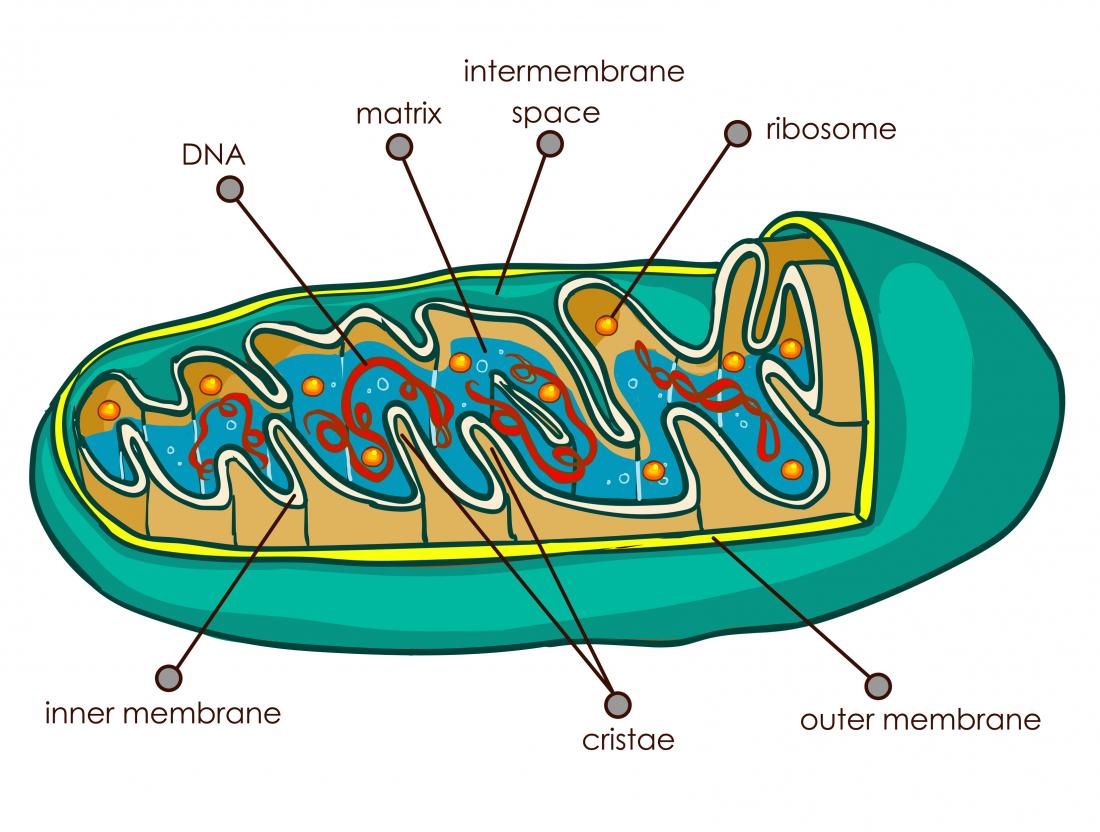
- Mitochondria are organelles responsible for generating energy in the form of ATP.
- Functions:
- Aerobic respiration occurs in specific sites within cells, generating ATP and earning the nickname "power houses" of the cell.
- Mitochondria have their own circular DNA, known as mtDNA, as well as RNA, ribosomes, and protein synthesis components.
- mtDNA is valuable for tracking genetic lineages.
Mitochondrial Diseases
- Genetic mutations in mtDNA or nuclear DNA can lead to mitochondrial diseases.
- Mitochondrial diseases are maternally inherited due to the exclusive inheritance of mtDNA from the mother.
- Mitochondrial Replacement Therapy (MRT) can prevent the transmission of mitochondrial diseases from mother to child.
"Rapid Urban Growth Spurs High-Rise Development"
- Taller buildings can house more people in a smaller area, but they can also have negative effects on infrastructure and the local climate.
- The allowable height of buildings is determined by the Floor Area Ratio (FAR), which is the ratio of the total covered area of all floors to the total plot area.
- The Model Building Bye-Laws, 2016 outline regulations for building height.
Reasons for the Growth of Tall Buildings
- Economic Growth: Tall buildings can accommodate mix-use structures, promoting economic growth.
- Urbanization: The increase in urban population has led to the need for more space-efficient buildings.
- Developments in Construction Technology: Advancements in technology have made it easier to build taller structures with innovative features.
Challenges Associated with Tall Buildings
- Increased Population Density: Tall buildings can lead to higher population density, putting a strain on public resources and energy demand.
- Urban Heat Island: Tall buildings can contribute to localized heating, affecting the climate of the city.
- Economic Viability: Building tall structures that adhere to regulations and are disaster-resilient can be costly.
- Social Divide: The high cost of construction can make tall buildings only accessible to higher income groups.
- Other Challenges: Tall buildings can impact disaster relief efforts and solid waste management in cities.
"Draft Rules for Protecting Critical Telecom Infrastructure Released by DoT"
The Department of Telecommunication (DoT) has recently announced new rules for critical telecommunication infrastructure and telecom cyber security under the Telecommunications Act of 2023.
About Critical Telecommunication Infrastructure (CTI)
CTI refers to any telecommunication network or component identified by the Central Government, the disruption of which would have a severe impact on national security, economy, public health, or safety.
Threats to CTI
- Cybersecurity Threats: Various forms of cyberattacks such as malware, ransomware, and Distributed Denial of Service attacks pose a threat to organizations and individuals.
- Physical Threats: Vandalism by terrorist groups, natural disasters, and other physical threats can disrupt operations and cause damage.
- Supply Chain Risks: Dependence on foreign hardware and software can lead to vulnerabilities and concerns about backdoors in equipment. Geopolitical tensions can also result in disruptions in supply chains.
- Technological Advancements: The rollout of 5G technology and increased interconnectivity through the Internet of Things (IoT) present new challenges and complexities in cybersecurity.
Key highlights of the Draft Rules
- Obligations of Telecom Entities:
- Telecom entities are required to maintain security measures to protect against cyber threats.
- They must keep records of the equipment used in their communication technology infrastructure (CTI).
- Periodic vulnerability assessments must be conducted to identify and address potential security risks.
- Upgradation of CTI:
- Any upgrades to the communication technology infrastructure (CTI) must be certified by the Central Government or an authorized body to ensure compliance with security standards.
- Draft Rules on Telecom Cyber Security:
- The draft rules mandate that each telecom entity must adopt a telecom cyber security policy.
- This policy should include security safeguards, risk management approaches, risk assessment and identification, and forensic analysis of security incidents to enhance overall cyber security measures.