
"Cnidoblasts as defensive organs in coelenterates". Justify. (IAS 2022/10 Marks)
"Cnidoblasts as defensive organs in coelenterates". Justify. (IAS 2022/10 Marks)

Introduction
Cnidoblasts are specialized cells found in coelenterates, such as jellyfish, sea anemones, and corals, that are responsible for their defensive mechanisms. These cells contain stinging organelles called nematocysts, which are used by coelenterates for protection against predators and capturing prey.
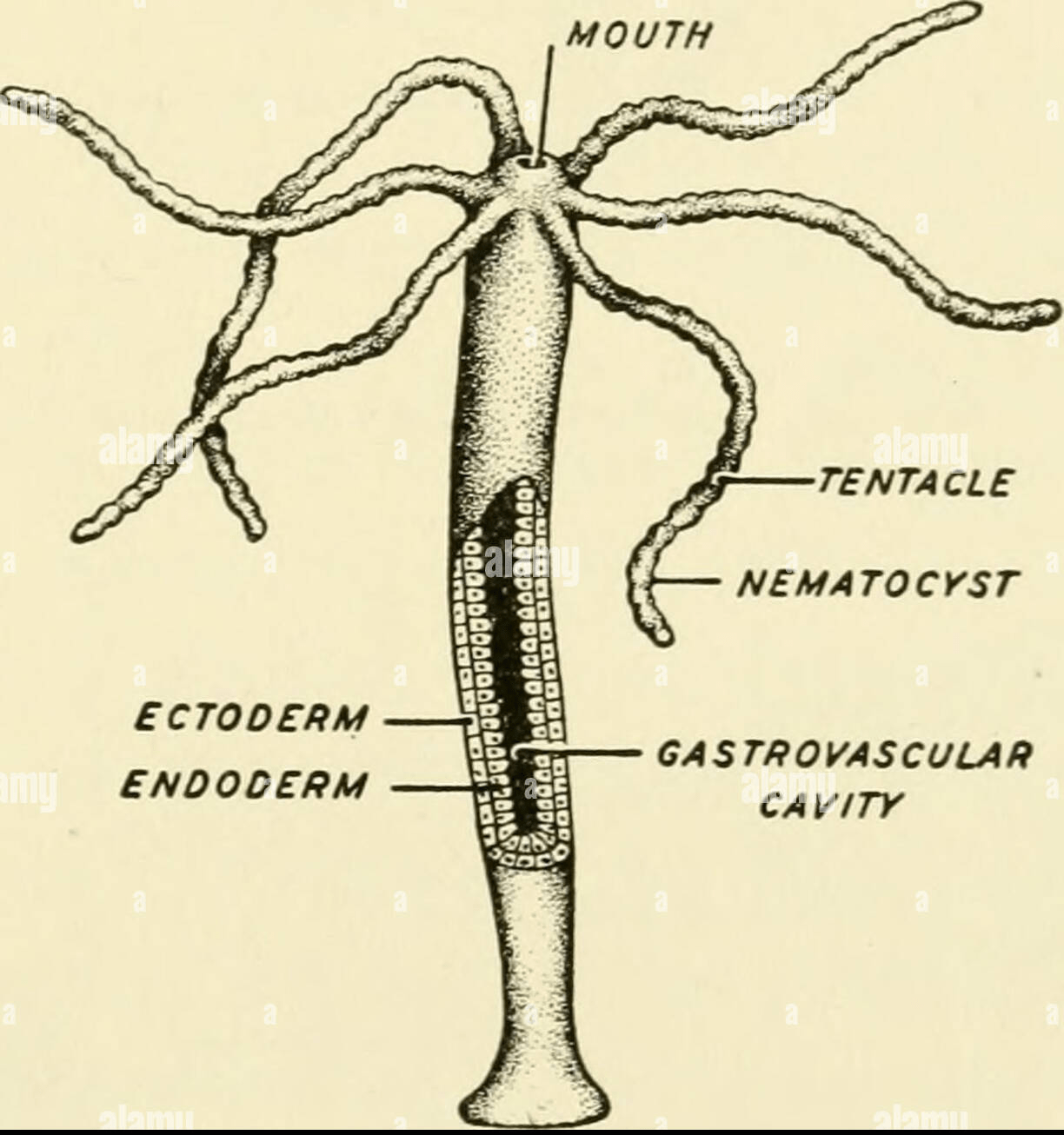
Cnidoblasts as Defensive Organs in coelenterates
- Structure of Cnidoblasts:
- Cnidoblasts are specialized cells containing nematocysts.
- Each nematocyst is a capsule containing a coiled thread that can eject venom or toxins.
- Upon stimulation, such as touch, the thread uncoils rapidly, puncturing and injecting venom into the threat or prey.
- Defense Against Predators:
- Cnidoblasts are essential for protecting coelenterates from predators.
- The nematocyst discharge can paralyze or deter predators due to the venomous nature of the sting.
- For example, jellyfish (Scyphozoa) use their stinging tentacles to protect themselves from fish and other marine predators.
- Deterrence and Escape:
- When a predator comes into contact with the cnidoblasts, the sudden sting acts as a deterrent.
- This quick reaction often gives coelenterates enough time to escape or avoid further attacks.
- In species like the sea anemone (Actinia), cnidoblasts serve to ward off larger marine organisms that attempt to invade their territory.
- Toxin Release and Paralysis:
- Some species, such as Physalia (Portuguese Man O' War), have highly potent toxins that can incapacitate or kill both prey and predators.
- This toxin release serves as both a feeding and defensive mechanism, allowing the organism to capture prey while also avoiding predation.
- Multiple Roles of Cnidoblasts:
- While defense is one of the primary roles, cnidoblasts are also used for prey capture, indicating their multifunctionality.
- However, in many coelenterates, especially those in hostile environments, their defensive role is critical for their survival.
Examples of Cnidarians Using Cnidoblasts for Defense
- Jellyfish (Aurelia aurita): Jellyfish have cnidoblasts on their tentacles which can deliver painful stings to humans and other marine animals, serving as both a defensive mechanism and a method of prey capture.
- Sea anemones (Actinia): Cnidoblasts are used to ward off fish and other marine animals that attempt to eat or harm the anemone.
- Portuguese Man O' War (Physalia physalis): Their stinging cells can paralyze small fish and deter larger animals from attacking, as their nematocysts contain potent venom.
Conclusion
Cnidoblasts serve as essential defensive organs in coelenterates, providing protection against predators, aiding in capturing prey, and maintaining the balance of marine ecosystems. Their unique ability to release nematocysts with potent toxins makes them a formidable defense mechanism for these fascinating organisms